
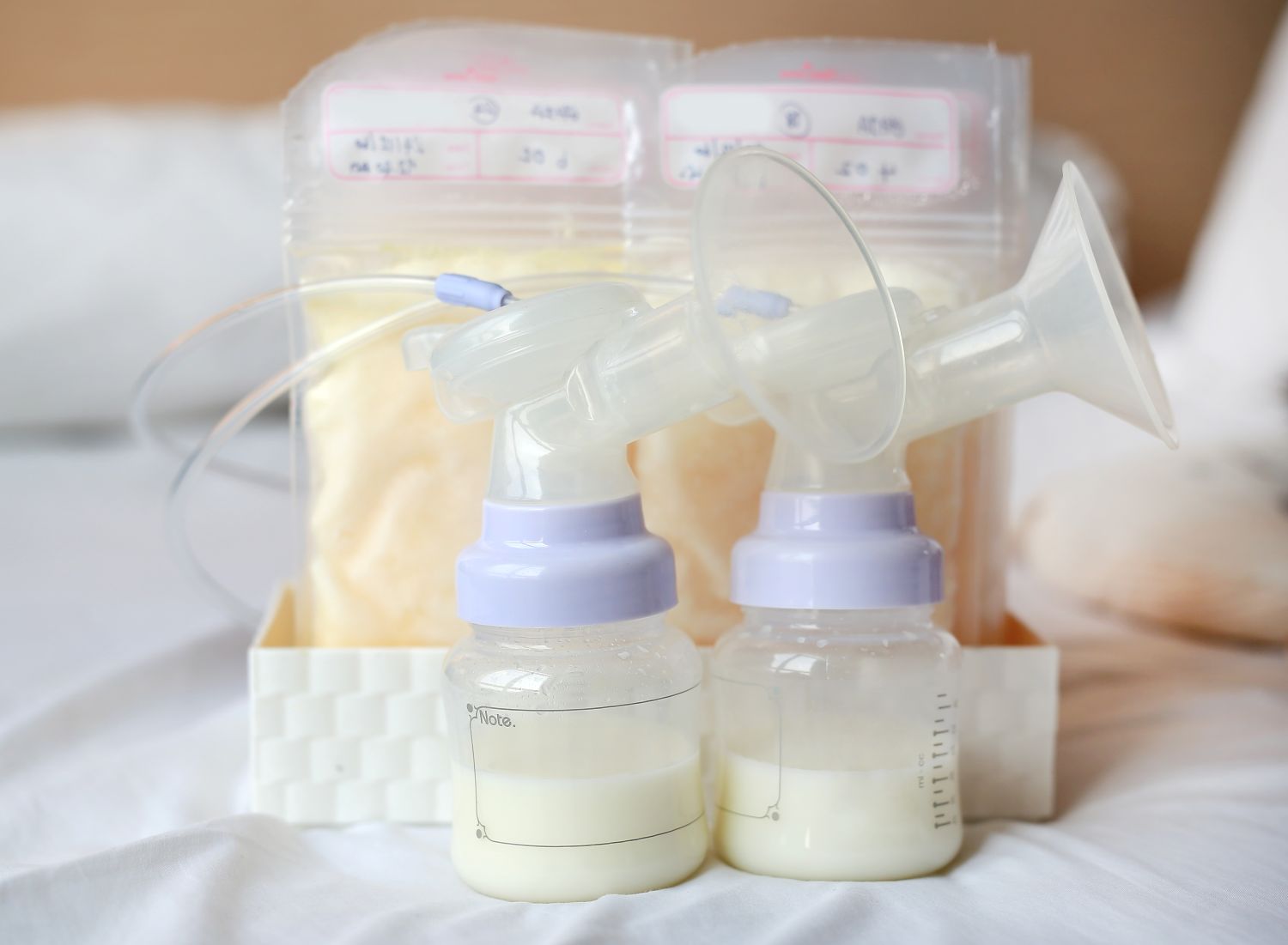
For breastfeeding mothers, a breast pump can be an invaluable tool, providing flexibility and convenience while ensuring that your baby receives the necessary nutrition. However, maintaining optimal hygiene is crucial to ensure the safety and health of both you and your baby. Proper cleaning and sterilization of your breast pump are essential to prevent bacterial growth and contamination. In this article, we’ll explore effective techniques for cleaning your breast pump, emphasizing the importance of hygiene and offering practical tips for mastering this essential routine.
1. Understanding the Components of Your Breast Pump
Before diving into cleaning methods, it’s important to familiarize yourself with the various parts of your breast pump. A typical breast pump consists of:
- Breast Shields: The parts that come into direct contact with your skin.
- Valves and Membranes: Essential for creating suction and ensuring efficient milk extraction.
- Bottles: The containers that hold the expressed milk.
- Tubing: Connects the pump motor to the breast shields.
Understanding these components will help you know which parts need cleaning and how to handle them properly.
2. Cleaning After Each Use
Immediate Cleaning
It’s important to clean your breast pump immediately after each use to prevent milk residue from drying and becoming harder to remove. Here’s a step-by-step guide:
- Wash Your Hands: Always start by washing your hands thoroughly with soap and water to prevent contamination.
- Disassemble the Pump: Carefully take apart all the components of the pump, including the breast shields, valves, membranes, and bottles.
- Rinse the Parts: Rinse each part under running water to remove any milk residue. This step is crucial before using soap.
- Wash with Soap: Use a mild dish soap that is free of harsh chemicals. Clean each component using a soft sponge or cloth, avoiding abrasive materials that could damage the parts.
- Rinse Thoroughly: After washing, rinse all components thoroughly under running water to remove any soap residue.
- Air Dry: Place the cleaned parts on a clean, dry towel or drying rack. Avoid using a dish towel to dry them, as this can introduce bacteria.
3. Deep Cleaning and Sterilization
Regular Deep Cleaning
In addition to daily cleaning, it’s important to perform a deep clean of your breast pump regularly. This can be done once a week or as needed:
- Disassemble the Pump: As before, take apart all components.
- Soak in Soapy Water: Fill a basin with warm, soapy water and soak the parts for a few minutes to help loosen any stubborn residue.
- Use a Bottle Brush: Use a bottle brush to scrub the insides of the bottles and the breast shields, ensuring that all areas are cleaned.
- Rinse and Dry: Rinse thoroughly under running water and place the parts on a clean towel or drying rack to air dry.
Sterilization
Sterilizing your breast pump parts can help eliminate any remaining bacteria and is especially important for newborns or premature infants. Here are common sterilization methods:
- Boiling Water: Place the parts in a pot of boiling water for 5-10 minutes. Ensure that all parts are submerged and avoid putting plastic components in boiling water for too long to prevent warping.
- Steam Sterilizers: Use an electric steam sterilizer designed for baby bottles and accessories. Follow the manufacturer’s instructions for proper use.
- Microwave Sterilization: Some breast pump parts are microwave-safe. Place them in a microwave sterilizer bag with a small amount of water and microwave according to the instructions.
4. Storing Pump Parts
Proper Storage
How you store your breast pump parts can impact their cleanliness and longevity. Consider the following tips:
- Keep Parts Covered: Store the clean, dry components in a clean container or bag to protect them from dust and contaminants.
- Avoid Contaminated Areas: Do not store the parts in areas where they may come into contact with food or other potential contaminants.
Time Between Uses
If you plan to use the pump again within a few hours, you can store the cleaned parts in a sealed container in the refrigerator. This can save time on cleaning between uses but ensure they are thoroughly cleaned after the last use of the day.
5. Follow Manufacturer Guidelines
Reference the Manual
Always consult the user manual for your specific breast pump model. The manufacturer’s guidelines will provide essential information on cleaning, sterilization, and maintenance tailored to your pump’s components.
Warranty Considerations
Improper cleaning or handling can void warranties. Adhering to the manufacturer’s recommendations ensures that you maintain the warranty and prolong the lifespan of your pump.
6. Stay Informed
Education and Resources
Stay updated on best practices for breast pump cleaning and maintenance. Join online forums or support groups for breastfeeding mothers, where you can share experiences and tips.
Consult Health Professionals
If you have any questions or concerns about your breast pump or its hygiene, do not hesitate to consult your pediatrician or a lactation consultant. They can provide personalized advice and support.
Conclusion
Mastering the art of cleaning and maintaining your breast pump is essential for ensuring optimal hygiene and the health of your baby. By understanding the components of your pump, implementing effective cleaning routines, and following proper storage practices, you can keep your pump in excellent condition. Regular cleaning and sterilization not only protect your baby from harmful bacteria but also enhance your pumping experience, allowing you to focus on what truly matters—nurturing your little one. Embrace these practices, and enjoy the journey of breastfeeding with confidence and peace of mind!